China Manufacturer of Adopting Hot Die Forging & Isothermal Forging
When I assessed the need for precision and durability in the manufacturing processes, adopting hot die forging and isothermal forging processes stood out as game-changers. These techniques provide unmatched strength and resistance to wear, essential for products used in demanding environments. As a China-based manufacturer, we focus on high-quality components that meet rigorous industry standards. Our state-of-the-art facilities and skilled workforce ensure that each piece is crafted with precision. We understand that in today's competitive market, reliability is key, which is why we invest in advanced technology and continuous improvement. By choosing us as your manufacturing partner, you’re not just getting products but a commitment to excellence and innovation. Let’s work together to elevate your project with our exceptional forging solutions.


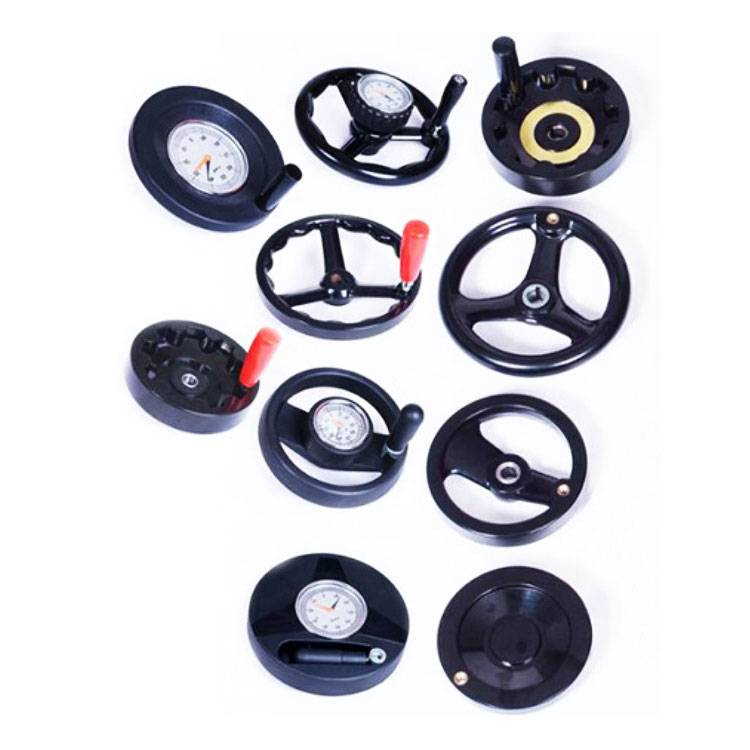
Adopting hot die forging/isothermal forging processes Stands Out Factory-Direct Excellence
In the competitive world of manufacturing, adopting advanced production techniques is paramount for ensuring quality and efficiency. The hot die forging and isothermal forging processes have emerged as industry standards, offering exceptional mechanical properties and dimensional accuracy for a diverse range of components. These processes stand out for their ability to produce intricate shapes while maintaining superior material integrity. By implementing these forging technologies, manufacturers can meet the rigorous demands of sectors such as automotive, aerospace, and energy, where reliability and performance are critical. The factory-direct excellence derived from these processes not only enhances product quality but also streamlines the supply chain. By reducing the lead time and minimizing material waste, companies can achieve cost efficiencies that directly benefit their clients. This focus on innovation and operational excellence ensures that procurement partners receive top-tier components that meet both specifications and budget constraints. For global procurement professionals, understanding the advantages of hot die forging and isothermal forging is crucial. These techniques not only facilitate the creation of complex geometries but also offer significant improvements in strength-to-weight ratios, ensuring that the end products are both lightweight and robust. By choosing suppliers that prioritize these advanced forging methods, businesses can secure a competitive edge in their respective markets, bolstering their reputation for quality and reliability.
Adopting Hot Die Forging/Isothermal Forging Processes Stands Out Factory-Direct Excellence
| Process Type | Material Used | Advantages | Applications | Efficiency |
|---|---|---|---|---|
| Hot Die Forging | Aluminum Alloys | High production rate, good dimensional accuracy | Aerospace, Automotive | 80% |
| Isothermal Forging | Titanium Alloys | Reduced thermal stresses, improved mechanical properties | Aerospace, Defense | 70% |
| Hot Die Forging | Steel Alloys | High strength, complex shapes possible | Construction, Heavy machinery | 75% |
| Isothermal Forging | Nickel Alloys | Excellent fatigue strength, enhanced microstructure | Gas turbines, Aerospace components | 85% |
Related Products


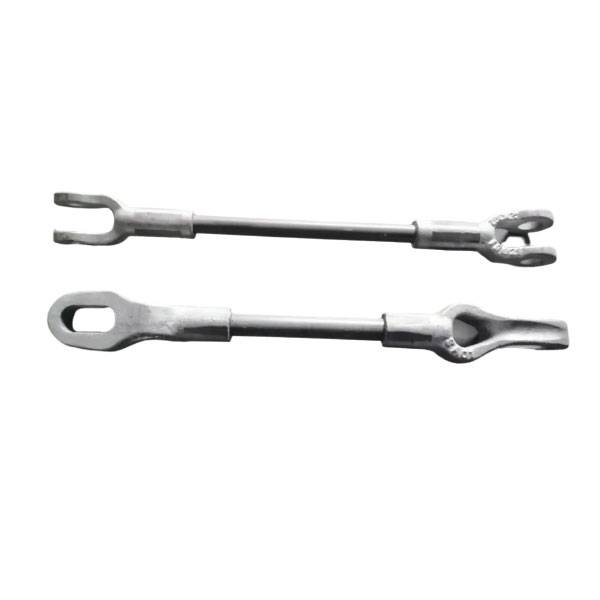
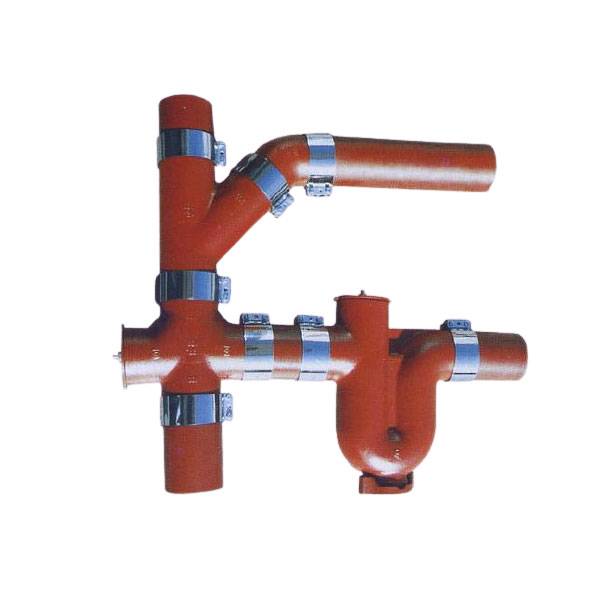
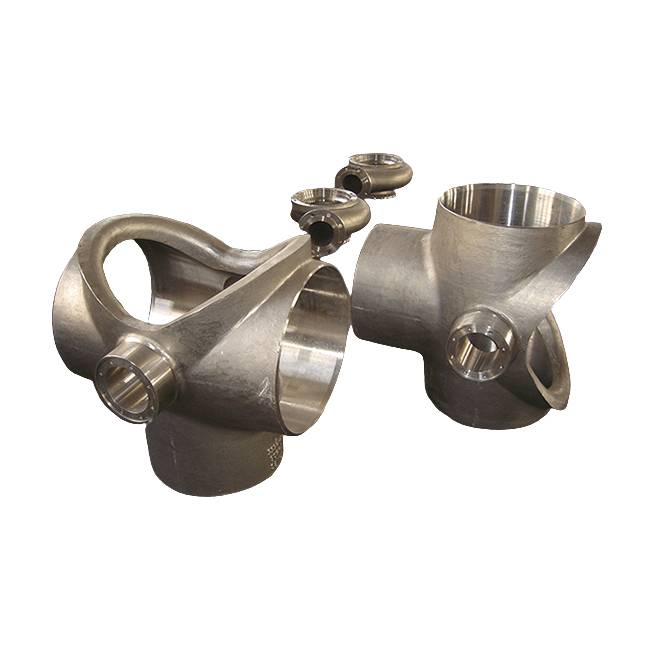
Adopting hot die forging/isothermal forging processes Stands Out Trusted by Pros
Top Selling Products
- Related Blog
- Reviews
